
Is There a Test for Fibromyalgia?
February 10, 2026
Jason Ferrier
What are the symptoms of fibromyalgia?
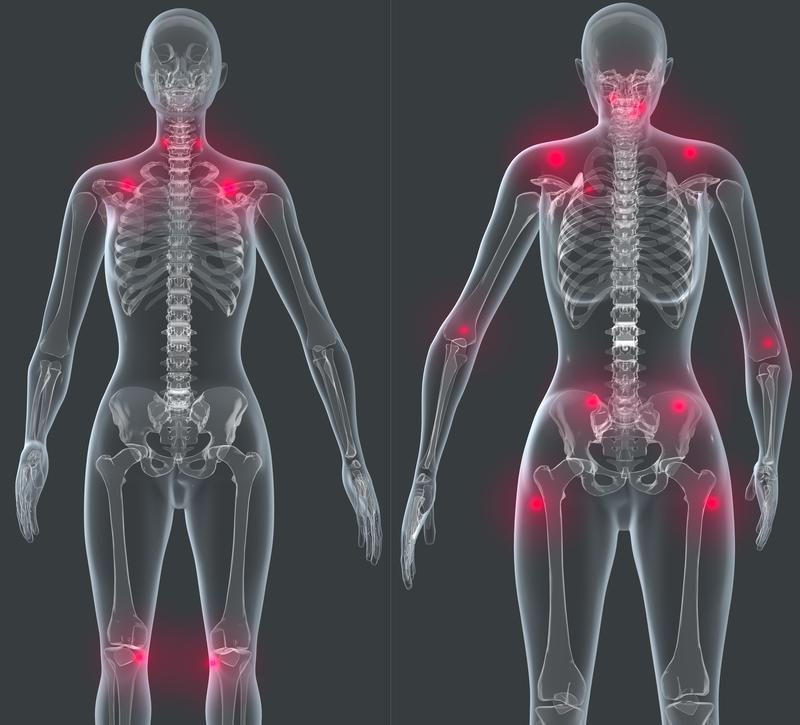
Fibromyalgia is a chronic disorder that causes widespread musculoskeletal pain throughout the body. Most people with fibromyalgia will experience intermittent periods of prolonged pain and tenderness in the muscles and joints. These flare-ups can last anywhere from days to months. Along with pain, people often experience chronic fatigue, headaches, anxiety, depression, difficulty controlling the bladder or bowels, difficulty sleeping, and trouble with memory or concentration. The severity of these symptoms can vary and often ebb and flow over the course of a flare-up. While there is no cure for fibromyalgia, there are treatments that can help people manage their symptoms and improve their quality of life. If you are experiencing new or unusual pain, it is important to consult your doctor. The path to diagnosing fibromyalgia can be a long one that often starts with a series of blood tests to rule out conditions that cause similar symptoms.
Is fibromyalgia an autoimmune disease?
Fibromyalgia is not officially classified as an autoimmune disease. The primary reasons for this are:
- It does not cause inflammation or damage to tissues and organs.
- There are no specific biomarkers like autoantibodies to aid in diagnosis.
Some recent research has suggested that the pain associated with fibromyalgia may be caused by antibodies attacking nerve cells. This research is ongoing but may eventually lead to fibromyalgia being designated as a type of autoimmune disorder.
Is fibromyalgia hereditary?
There is no single gene that can cause someone to inherit fibromyalgia. However, there is a genetic component to fibromyalgia, and it tends to run in families. People with a close relative, including parents, siblings, or children, who have fibromyalgia are up to 8 times more likely to develop the disorder than others. Research has shown that a combination of genes may determine if someone is likely to develop fibromyalgia. Triggers such as stress, trauma, and infection, coupled with family history, can help to determine the likelihood of someone developing fibromyalgia. Other conditions, such as migraines and irritable bowel syndrome, can increase this likelihood as well.
What causes fibromyalgia?
The exact cause of fibromyalgia is unknown. Most researchers believe a combination of genetic, environmental, and neurological factors causes it. In people with fibromyalgia, the way that the brain, spinal cord, and nervous system communicate is changed. This causes a rise in chemicals that signal pain, and the brain overreacts to signals that would otherwise not cause severe pain. It is commonly believed that fibromyalgia is triggered by trauma such as disease, infection, severe stress, surgery, or injury. In people with a higher genetic predisposition, these triggers can result in the development of fibromyalgia. Fibromyalgia can develop at any age, but is most common in people aged 20-60. The risk increases as a person ages.
Is there a test for Fibromyalgia?
Unfortunately, there is no definitive test to diagnose Fibromyalgia. People with fibromyalgia are usually identified based on physical exams, medical history, and ruling out other conditions. Diagnosing fibromyalgia is often a process of elimination. A series of blood tests is often ordered when someone presents symptoms to help identify other conditions that cause similar symptoms or to rule them out. Request A Test offers a Fibromyalgia testing panel that includes several common tests that can aid in the process of identifying Fibromyalgia Disorder. These include:
- Antinuclear Antibody (ANA): This test looks for autoantibodies that can indicate an autoimmune disorder such as Lupus
- Complete Blood Count (CBC): Checks for infections or anemia.
- Comprehensive Metabolic Panel (CMP): This test measures electrolytes, liver enzymes, and kidney function.
- Sedimentation Rate (ESR) and C-Reactive Protein (CPR): These are markers for inflammation that can be caused by conditions such as Rheumatoid Arthritis.
- Thyroid Stimulating Hormone (TSH), T3 Free, and T4 Free: An underactive thyroid can cause pain and fatigue.
- Vitamin D: A vitamin D deficiency can sometimes cause fatigue or muscle pain.
Ordering these tests can give you valuable information about your health and provide a place for you and your doctor to start. By ordering their own lab testing, a person can take charge of their health journey without having to wait for a doctor's appointment. Request A Test works provides certified lab testing that anyone can order. We partner with over 7,000 testing locations across the USA. Most tests see results in just a few business days, so you can get the answers you need fast. Sudden, unexplained pain is never normal. Trust your body and don't wait to get tested.
Why Choose Request A Test?
- Affordable pricing
- Over 7,000 convenient nationwide locations
- Same-day testing with fast results
- No doctor's order needed, we provide one
- No insurance is required
Sources:
- https://www.mayoclinic.org/diseases-conditions/fibromyalgia/symptoms-causes/syc-20354780
- https://my.clevelandclinic.org/health/diseases/4832-fibromyalgia
- https://www.droracle.ai/articles/138880/what-bloodwork-is-most-helpful-in-diagnosing-fibromyalgia-fibromyalgia
DISCLAIMER: The medical information in this post is for informative purposes only
Nationwide, Affordable, Rapid
-
Step 1
Order
Your Tests -
Step 2
Go to
the Lab -
Step 3
Get Your
Results