
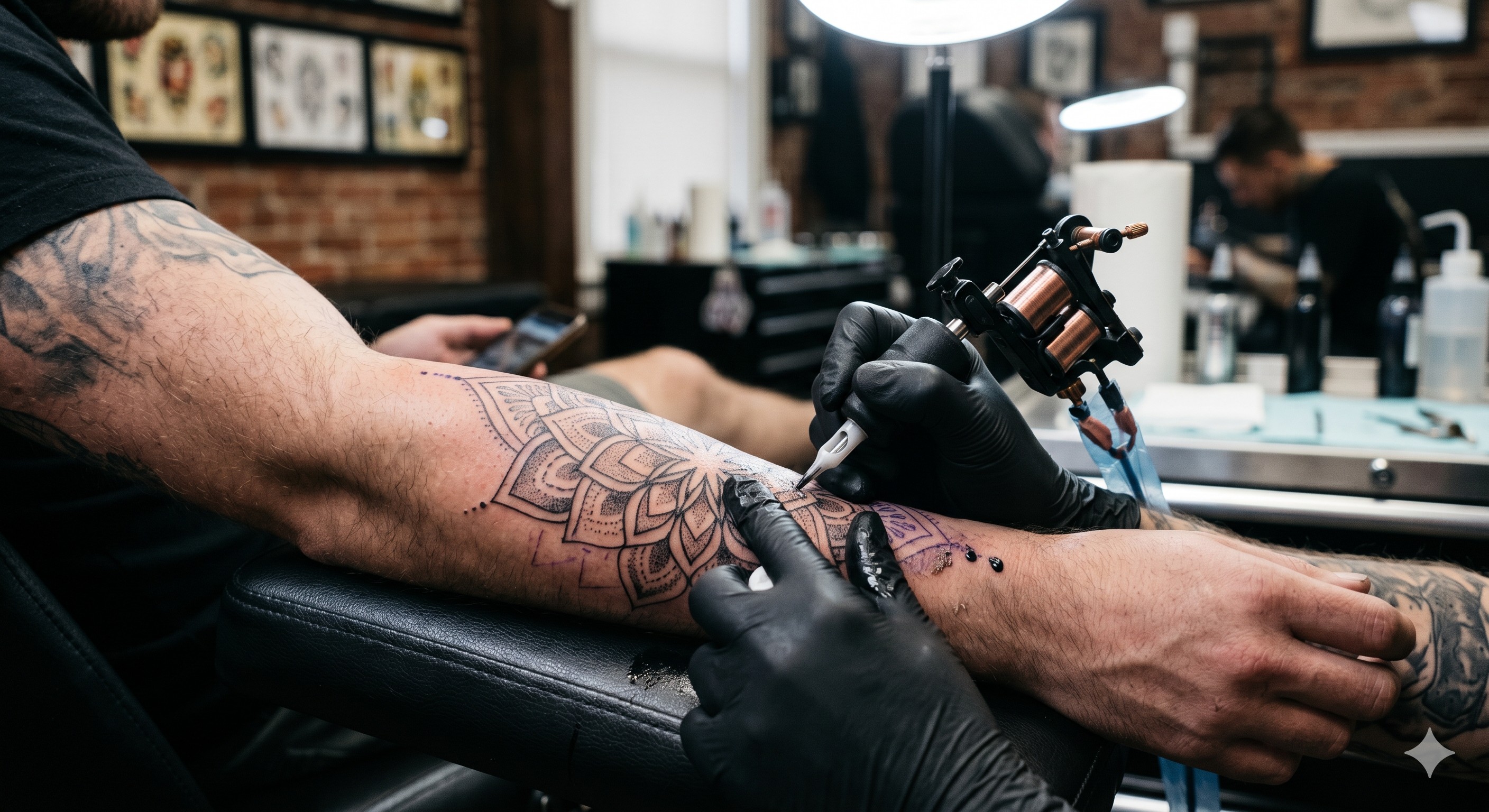
Safety Ink: Understanding Health Risks from Tattoos
May 8, 2026
Norman Nickel
Tattoos have become a powerful form of self-expression, blending art, identity, and culture. A tattoo is a permanent design, picture, or word created by inserting ink, dyes, or pigments into the dermis layer of the skin using needles. Permanent makeup is also a type of tattoo, which is applied to look like makeup, such as eyeliner, lip liner, or eyebrows. About 40% of the US population has at least one tattoo.
While tattoos are widely accepted and often celebrated, they still carry potential health risks, such as infections, allergic reactions, and complications from improper sterilization or aftercare. Beneath the appeal of body art lies a range of potential health concerns that should be carefully considered before getting a tattoo. One increasingly important part of that conversation is awareness, particularly through accessible options like direct-to-consumer blood testing, which can help individuals stay informed about their health before and after getting inked. Bloodborne diseases like HIV, Hepatitis B, and Hepatitis C can all be screened for with simple routine lab testing
Which Health Risks May Result From Tattoos?
Because tattoos involve breaking the skin barrier, they naturally carry certain medical risks. These can include bacterial infections, allergic reactions to ink pigments, and scarring. Individuals with new ink may also develop small inflammatory bumps that form around tattoo ink particles, called granulomas. More serious risks involve bloodborne infections such as Hepatitis B, Hepatitis C, or HIV, especially if proper sterilization procedures were not followed. While these complications are uncommon in professional settings, they are still important to understand. In many states, tattoo parlors are controlled by the health department and must maintain a sterile environment and follow the respective laws.
Are Tattoos Harmful To Your Health?
Not necessarily, but the most significant health risks from tattoos stem from unsafe practices. Non-sterile needles, contaminated ink, or poor hygiene can introduce harmful pathogens into the bloodstream. Even in regulated environments, certain ink ingredients may trigger allergic reactions or sensitivities. Because complications may not show immediate symptoms, monitoring your health through routine bloodwork can be a practical step.
Can You Get Hepatitis From Tattoos?
The topic of tattoos and health risks often includes concerns about infections like Hepatitis B and Hepatitis C when proper safety practices are not followed. Hepatitis B is a serious viral infection that affects the liver and can lead to both acute illness and long-term complications such as cirrhosis or liver cancer. Hepatitis C is another bloodborne viral infection that affects the liver, often leading to chronic disease if untreated. Like Hepatitis B, Hepatitis C can be transmitted through contact with infected blood, which creates a risk in tattooing if proper hygiene practices are not followed. This typically occurs when equipment is reused or not properly sterilized. The risk is reduced when tattoos are performed in licensed studios that follow strict safety protocols.
However, for individuals who may have received tattoos in less regulated environments like prisons and private homes, direct-to-consumer blood testing provides a convenient way to check for potential exposure and gain peace of mind.
Can You Get A Tattoo If You Have Hepatitis?
Individuals with Hepatitis B and/or Hepatitis C can get tattoos, but it requires careful consideration. Open communication with the tattoo artist is essential, as is choosing a reputable professional who follows strict hygiene practices. Consulting with a healthcare provider beforehand is also recommended, especially since liver health and immune function can impact healing. Monitoring your condition through regular blood testing can help ensure that your body is ready for ink.
Should Individuals With Health Concerns Take Extra Precautions?
Absolutely. People with underlying health conditions, such as weakened immune systems, HIV positive or undetectable, chronic illnesses, or skin disorders, should take additional steps before getting inked. This may include consulting a healthcare professional, researching licensed tattoo studios, and strictly following aftercare guidelines. Direct-to-consumer lab testing can play a valuable role here.
Request A Test makes it simple for individuals to take control of their health by providing affordable access to lab tests, including screenings for bloodborne infections such as Hepatitis and HIV. This type of approach can be especially useful for those considering tattoos or wanting to ensure their safety afterward.
Why Request A Test?
Tattoos can be meaningful, empowering, and deeply personal, but they also involve medical considerations that should not be overlooked. Whatever you decide to get inked, remember, ordering your own lab testing from Request A Test is the most affordable, convenient way to monitor your health, screen for infections, and stay informed without having to wait for a doctor or insurance provider.
We partner with over 7,000 testing sites across the USA, so getting a test near you is no problem. Order now or call our team at 888-732-2348 to get started!
- Affordable pricing
- Over 7,000 convenient nationwide locations
- Same-day testing and rapid results
- No doctor's order needed, we provide one
- No insurance is required
Sources:
- Tattoos: Understand risks and precautions - Mayo Clinic
- How Do You Pick a Safe Tattoo Shop?
- Tattoos: What Do People Really Know About the Medical Risks of Body Ink? | JCAD - The Journal of Clinical and Aesthetic Dermatology
- Think Before You Ink: Tattoo Safety | FDA
- Tattoo Side Effects and Risks
DISCLAIMER: The medical information in this post is for informative purposes only
Nationwide, Affordable, Rapid
-
Step 1
Order
Your Tests -
Step 2
Go to
the Lab -
Step 3
Get Your
Results