
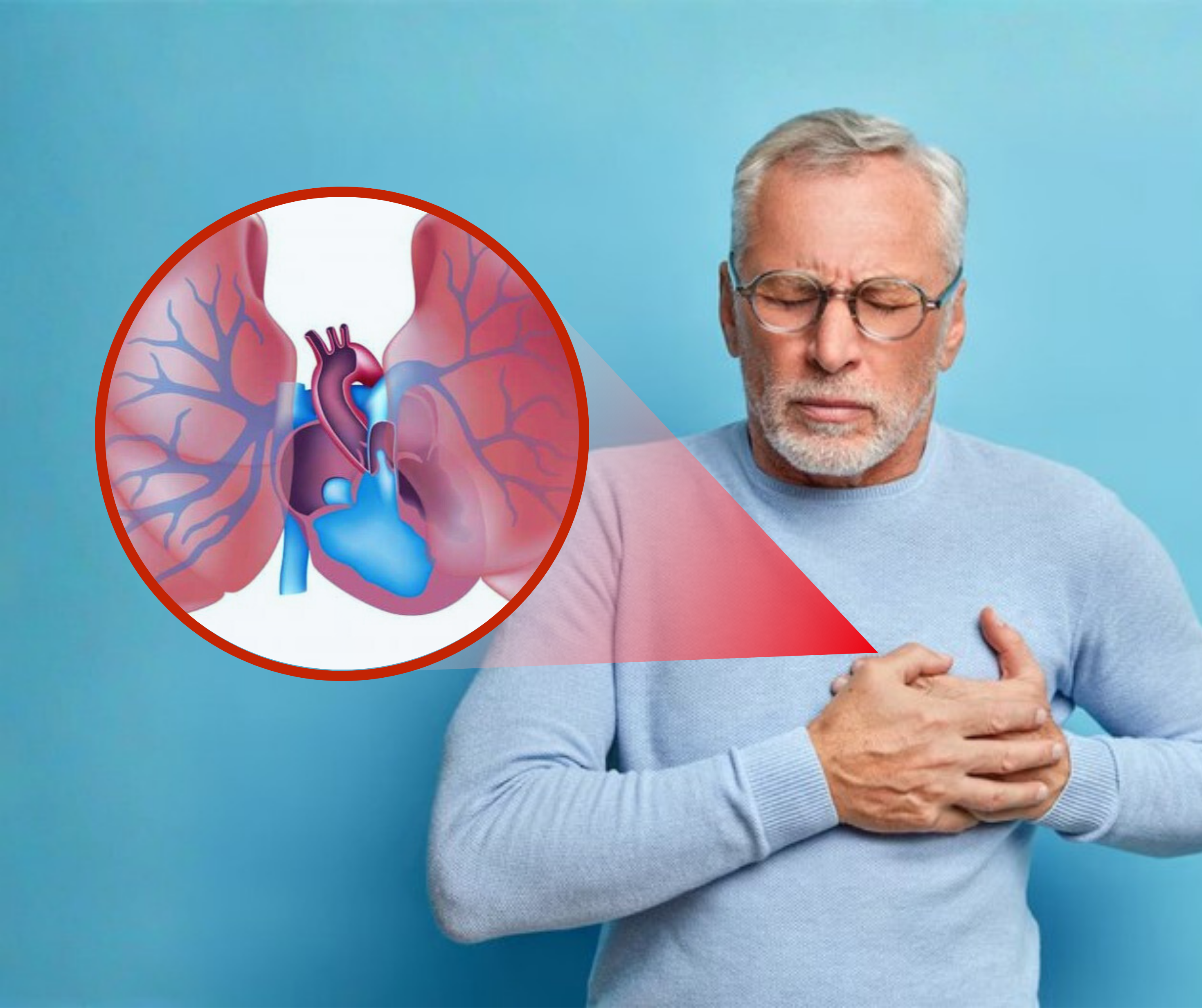
What are the causes and symptoms of Pulmonary Arterial Hypertension (PAH)?
January 26, 2026
Norman Nickel
Pressure in the Right Place: Shedding Light on Pulmonary Arterial Hypertension
Pulmonary Arterial Hypertension Disease (P HTN or PAH) is a rare but serious condition that affects pulmonary arteries, increasing pressure in the lungs, and placing strain on the right side of the heart. While it can be life-ending, understanding its symptoms and causes empowers patients and/or caregivers to manage it effectively. In this blog, we’ll explore the essentials of PAH, including diagnosis, staging, and strategies to live well with the disease. We'll also review lab testing, such as BNP or NT-proBNP, complete blood count (CBC), liver and kidney function tests, and autoimmune panels that can help to differentiate PAH from other conditions with similar symptoms.
What Is Pulmonary Arterial Hypertension?
Pulmonary Arterial Hypertension is a type of Pulmonary Hypertension that specifically involves narrowing, stiffening, or blockage of the pulmonary arteries. This increased pressure forces the right ventricle of the heart to work harder to pump blood through the lungs, which can eventually lead to right heart failure if untreated.
PAH is distinct from other forms of Pulmonary Hypertension because it usually develops without another underlying disease, though it can be associated with connective tissue disorders, congenital heart disease, or certain medications.
What Causes Pulmonary Hypertension?
The heart has two upper chambers (atria) and two lower chambers (ventricles). The right ventricle pumps blood to the lungs through the pulmonary artery, where the blood releases carbon dioxide and picks up oxygen. Normally, blood flows easily from the right ventricle through the lungs and then returns to the left ventricle to be pumped to the body. In Pulmonary Arterial Hypertension, the cells lining the pulmonary arteries can become thickened and stiff, narrowing the vessels. This change increases resistance to blood flow through the lungs, forcing the right ventricle to work harder and leading to elevated pulmonary artery pressure. Understanding the causes of PAH is essential for proper treatment. While the exact cause is often unknown, known risk factors include:
- Genetic mutations: Certain inherited gene mutations can lead to PAH.
- Connective tissue diseases: Conditions like scleroderma or lupus can trigger PAH.
- Congenital heart defects: Structural heart abnormalities present at birth
- Medications or toxins: Some appetite suppressants and chemotherapy drugs are linked to PAH
- HIV infection: Rarely, HIV can cause PAH.
What are the Symptoms of Pulmonary Arterial Hypertension?
PAH severity is often classified using functional assessments mixed with blood tests:
- Class I: No symptoms with normal activity. There are no limitations on physical activity under this class.
- Class II: Mild symptoms with ordinary activity. No symptoms during resting periods.
- Class III: Substantially limits physical movement during mild exertion or ordinary activity.
- Class IV: Complete total loss of the ability to carry out physical activity. Right-sided heart failure is seen during this stage.
Early PAH symptoms are often subtle, which can delay diagnosis. Common Pulmonary Arterial Hypertension symptoms include:
- Cyanosis – your skin or lips may turn blue
- Swelling in the legs, ankles, and abdomen due to fluid build-up. This is called Edema
- Shortness of breath, especially with activity
- Fatigue or feeling weak
- Chest pain or tightness
- Swelling in the ankles, legs, or abdomen
- Palpitations or rapid heartbeat
- Dizziness or fainting
Symptoms of PAH develop slowly over time. However, once the symptoms start to appear, PAH Disease can quickly progress, and symptoms can worsen. Early symptoms are usually mistaken for aging or normal fatigue. Recognizing these symptoms early is key to managing the disease.
Because these symptoms overlap with other conditions, consulting a healthcare professional for evaluation is crucial. Early detection can improve treatment success and quality of life.
How do you test for Pulmonary Arterial Hypertension (PAH)?
One of the first steps when someone presents symptoms of PAH is a bloodwork to rule out underlying causes, assess organ function, and check for right heart strain. Common tests include BNP or NT-proBNP, complete blood count (CBC), liver and kidney function tests, and autoimmune panels. However, blood tests alone cannot diagnose PH. Imaging and right heart catheterization remain the gold standard.
Once someone has been diagnosed, managing PAH requires a holistic approach that includes routine lab testing, medical care, lifestyle adjustments, and emotional support. Patients often benefit from:
- Regular check-ups and blood work to monitor heart strain
- Tracking symptoms and exercise tolerance for personalized treatment adjustments
- Joining support groups to share experiences and coping strategies
- Open communication with healthcare providers regarding medications, side effects, and mental health
With proper care and attention, many individuals with PAH lead active, fulfilling lives, even successfully lives while managing the condition.
Where can I get a test for Pulmonary Arterial Hypertension?
Request A Test's direct-to-consumer lab testing service allows anyone to order the testing they need without having to wait to see a doctor or get approval from an insurance provider. Just order your tests and go to one of 7,000 labs across the USA. We offer common blood tests to aid in diagnosing PAH, including BNP and NT-ProBNP. Results from these tests can give you a headstart on getting answers about your health. We also offer hundreds of other tests to suit many needs. To get started, just order online or call our team at 888-732-2348.
Why Request A Test?
- Affordable pricing
- Over 7,000 convenient nationwide locations
- Same-day testing and rapid results
- No doctor's order needed, we provide one
- No insurance is required
Sources:
- https://www.nyp.org/heart/pulmonary-hypertension/symptoms
- https://www.mayoclinic.org/diseases-conditions/pulmonary-hypertension/symptoms-causes/syc-20350697
- https://www.lung.org/lung-health-diseases/lung-disease-lookup/pulmonary-arterial-hypertension/learn-about-pulmonary-arterial-hypertension
- https://medlineplus.gov/genetics/condition/pulmonary-arterial-hypertension/
- https://link.springer.com/article/10.1186/s13019-022-01947-y?
DISCLAIMER: The medical information in this post is for informative purposes only
Nationwide, Affordable, Rapid
-
Step 1
Order
Your Tests -
Step 2
Go to
the Lab -
Step 3
Get Your
Results