
PCOS and Mental Health: How Hormones Impact Your Well-being
May 29, 2026
Norman Nickel
What is PCOS?
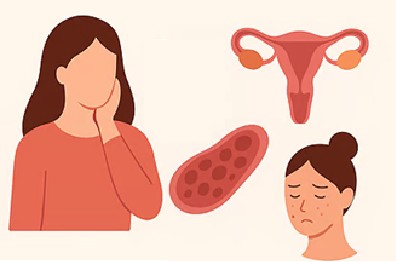
PCOS or Polycystic Ovary Syndrome, more recently known as PMOS (Polyendocrine Metabolic Ovarian Syndrome), is a hormonal disorder that typically affects biological females in their reproductive years (age 15-44). The cause of PCOS/PMOS is a hormonal imbalance, most commonly with reproductive hormones. The outward signs of PMOS, including their timing and severity, can vary widely from person to person. Some of the most common symptoms include irregular menstrual periods, irregular facial and body hair growth, acne, hair loss, difficulty losing weight, and darkened patches of skin. Left untreated, PMOS can increase the risk of serious health complications such as infertility, type 2 diabetes, high blood pressure, heart disease, and endometrial cancer. Besides the physical effects, PMOS can also result in psychological challenges such as brain fog, depression, mood swings, anxiety, eating disorders, and disrupted sleep patterns. There is no cure for PMOS. There are, however, treatments that can relieve symptoms and reduce health risks. These treatments are not one size fits all. Effectively managing PMOS requires a personalized treatment plan that addresses the physical and mental needs of each individual. Lab tests for hormones like testosterone, DHEA, and cortisol, or other biomarkers like blood sugar, insulin, thyroid function, cholesterol, and vitamin levels, can help a person work with their doctor to develop goals and treatments that will best suit their needs.
PCOS vs PMOS
As of May 2026, Polycystic ovary syndrome (PCOS) has been officially renamed to polyendocrine metabolic ovarian syndrome (PMOS). The point of the new term is to highlight what many patients already experience: this can be a whole-body hormone and metabolism condition that affects both your physical and mental well-being. The most severe symptoms of PMOS may not show up on a blood test or ultrasound. Having crippling anxiety or brain fog brushed off at the doctor's office as "just stress" is incredibly isolating.
Here is the key takeaway: hormones can influence your brain chemistry. That does not mean every feeling is "just hormones," but it does mean tracking key biomarkers and treating the underlying hormones and metabolic patterns can be part of supporting mental well-being.
Why PCOS Can Affect Mental Health
Mood and energy are tightly tied to your body's chemical signals. In PMOS (formerly PCOS), a few common patterns can overlap and amplify each other:
- Higher androgens (like testosterone) can be linked with feeling on edge, restless, or more reactive.
- Insulin resistance and blood sugar swings can drive brain fog, irritability, and "crash" feelings.
- Stress hormones (like cortisol) can contribute to sleep trouble, anxiety, and the "tired but wired" feeling.
- Inflammation, nutrient gaps, and thyroid issues can worsen fatigue and mood symptoms and may look like depression or burnout.
Because symptoms can overlap, testing can help you and your physician separate what is driving your day-to-day mental health symptoms and which biomarkers are most useful to follow over time.
A practical testing guide for PCOS (and how it supports mental well-being)
The goal of testing is not to "prove" that your mental health symptoms are real; they are. The goal is to find treatable biological factors that may be adding fuel to anxiety, low mood, and brain fog.
Think of the labs below as a starting set of PMOS-related biomarkers you can review with a physician.
1) Androgen testing (often tied to anxiety, irritability, and body changes)
These results can help guide conversations about hyperandrogenism and options that may improve both physical symptoms (like acne or hair growth) and the "wired" feeling some people report.
2) Insulin and blood sugar testing (often tied to brain fog and mood swings)
- Fasting glucose
- Fasting insulin
- Hemoglobin A1c
- Optional: 2-hour oral glucose tolerance test (if your physician recommends it)
When blood sugar is more stable, many people notice steadier energy, fewer crashes, and fewer irritability spikes. Tracking these metabolic biomarkers can also help you see whether a plan is working. Together, these labs often serve as an insulin resistance test for PMOS.
3) Cardiometabolic testing
- Lipid panel (cholesterol, triglycerides)
- Optional: liver enzymes (included in a Comprehensive Metabolic Panel)
These help assess longer-term metabolic risk, which matters for overall health and can reduce stress and uncertainty around "what is happening in my body."
4) Thyroid and other rules (fatigue and low mood are not always PCOS/PMOS)
- TSH & Free T4 (and sometimes Free T3, depending on history)
- Optional
- Prolactin (if cycles are very irregular or there are other signs)
Thyroid issues can look like depression, anxiety, or brain fog. Ruling them out (or treating them) can make a substantial difference.
5) Cortisol and stress physiology (for "tired but wired," sleep issues, and persistent anxiety)
Cortisol testing is more nuanced and is best interpreted with a physician. If your symptoms strongly point to stress-hormone dysregulation, ask your physician what testing (if any) is appropriate for you.
6) Nutrient checks that commonly relate to mood and fatigue
- Vitamin D
- Vitamin B12
- Iron Panel (includes Ferritin)
Low vitamin D, low B12, or iron deficiency can worsen fatigue and low mood, and they are often straightforward to correct once identified. These nutrient biomarkers are often worth checking if mental health symptoms are prominent.
How to Purchase PCOS Testing with Request A Test!
If you want a direct, self-serve way to purchase lab testing, Request A Test lets you buy many common blood tests online and go to a local lab for the draw. This can be helpful if you are between appointments, want a starting point for a physician visit, or need labs to support a more specific conversation about PCOS/PMOS and mental health. We partner with over 7,000 testing sites across the USA, so getting a test near you is no problem.
Why Request A Test?
- Choose from over 7,000 convenient nationwide locations!
- Same-day testing and rapid results
- No doctor's order needed, we provide one!
- No insurance is required!
Sources:
- International evidence-based guideline for the assessment and management of polycystic ovary syndrome (PCOS)
- American College of Obstetricians and Gynecologists (ACOG): Polycystic Ovary Syndrome (PCOS)
- U.S. Office on Women’s Health: Polycystic ovary syndrome (PCOS).
- Barry JA, Kuczmierczyk AR, Hardiman PJ. Anxiety and depression in polycystic ovary syndrome: a systematic review and meta-analysis
- ABC News: PCOS gets new name, common hormonal issue affecting women
DISCLAIMER: The medical information in this post is for informative purposes only
Nationwide, Affordable, Rapid
-
Step 1
Order
Your Tests -
Step 2
Go to
the Lab -
Step 3
Get Your
Results